
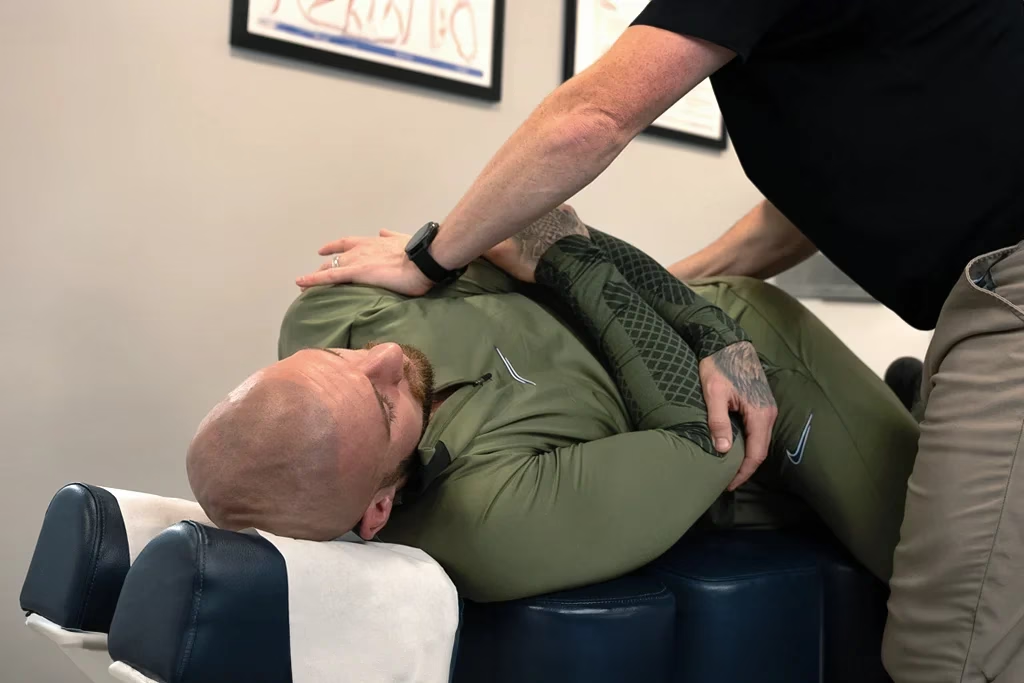
MSK Physiotherapy in Doncaster
If you’re dealing with persistent pain, recovering from an injury, or working your way back from surgery, physiotherapy can help you regain movement, strength and confidence in your body. At Cura Health & Chiropractic Clinic in Doncaster, our physiotherapy service combines hands-on treatment with structured, progressive exercise rehabilitation, so you understand not just what’s wrong, but exactly what you need to do to get better.
Our physiotherapist works within a multidisciplinary clinic alongside our chiropractic and sports therapy team, which means your care isn’t limited to a single technique. If physiotherapy alone isn’t the best fit for your problem, or if another part of the clinic could help alongside it, we’ll tell you.

Who Physiotherapy at Cura Health is for
Physiotherapy is appropriate for a broad range of people, from those with a new, sharp injury to those managing a long-standing condition. You don’t need to have a serious or unusual problem to benefit from an assessment; most of the people we see are dealing with everyday musculoskeletal (MSK) issues that are affecting their work, sport, sleep or general quality of life.
Our physiotherapy service is a good fit if you’re experiencing any of the following:
- Musculoskeletal pain in the back, neck, shoulder, hip, knee or ankle
- A recent muscle, ligament or tendon injury
- Ongoing joint stiffness or reduced range of movement
- A sports-related injury affecting training or performance
- Recovery needs following orthopaedic or spinal surgery
- Reduced strength, balance or confidence in movement after illness or injury
- A condition that hasn't fully resolved despite previous treatment elsewhere

Post-Operative and Post-Injury Rehabilitation
Alongside general MSK physiotherapy, we also support patients recovering from surgery. Post-operative rehabilitation is a structured, staged process, and getting the right guidance at each stage genuinely affects how well and how quickly you recover. Our physiotherapist will work from your surgeon’s guidelines and any post-op protocol you’ve been given, building a rehabilitation plan around your specific procedure, healing timeframes and goals, whether you’re returning to daily activities, work, or sport.
This includes rehabilitation following procedures such as joint replacement, ligament reconstruction, arthroscopic surgery, and spinal surgery, as well as recovery support after fractures or periods of immobilisation.

What Physiotherapy Can Help With
Physiotherapy addresses the underlying mechanics of how your body moves, not just the area that hurts. Common areas we assess and treat include:
Spine: lower back pain, neck pain, sciatica-type leg pain, and postural-related discomfort from desk-based or physical work.
Shoulder, elbow and wrist: rotator cuff-related pain, frozen shoulder, tennis and golfer’s elbow, and repetitive strain injuries.
Hip and pelvis: hip impingement-type pain, gluteal tendon issues, and pelvic or groin strains.
Knee and lower leg: ligament and meniscus injuries, patellofemoral (kneecap) pain, and calf or Achilles tendon problems.
Foot and ankle: ankle sprains, plantar fasciitis, and recurring instability after previous injury.
General deconditioning: reduced strength, balance or mobility following illness, inactivity or surgery.
If your symptoms fall outside what physiotherapy can safely or effectively manage, we’ll explain why and point you towards the right next step, whether that’s your GP, an imaging referral, or another specialist.

Assessment Process
Every course of physiotherapy at Cura Health begins with a full, one-to-one assessment. This isn’t a quick look at the painful area; it’s a proper investigation into why the problem exists so treatment is targeted rather than generic.
During your assessment, your physiotherapist will:
- Take a detailed history of your symptoms, how and when they started, and any previous injuries or treatment.
- Screen for anything that would need onward referral before physiotherapy begins.
- Carry out a physical examination, testing movement, strength, joint function and, where relevant, movement patterns during specific tasks or sports.
- Reach a working diagnosis and explain it to you in plain language, including what’s likely driving the problem.
- Agree a treatment and rehabilitation plan with you, including realistic timeframes and what you’ll need to do between sessions.
Our Treatment Approach
Treatment plans are built around you, your diagnosis, your goals and how much time you realistically have to commit to rehab exercises. Depending on what your assessment shows, this may include:
- Hands-on manual therapy to reduce pain and restore joint and soft tissue movement
- Individually prescribed exercise programmes to rebuild strength, control and range of motion
- Graded return-to-activity or return-to-sport planning
- Post-operative rehabilitation staged in line with surgical guidelines
- Education on managing your condition day-to-day, including activity modification where needed
Exercise is a central part of most physiotherapy programmes, not an add-on. Manual therapy can ease pain and improve movement in the short term, but lasting change generally comes from the strength and control you build through consistent, correctly loaded exercise. You’ll be shown how to do this properly and given a plan to follow outside of appointments.
What Makes Physiotherapy at Cura Health Different
Being based within an established multidisciplinary clinic means your physiotherapy isn’t provided in isolation. A few things set our approach apart:
A joined-up clinic. Our physiotherapist works alongside our chiropractic and sports therapy team under one roof, so if your assessment points to a different or complementary approach, you’ll be told directly rather than being kept within one treatment pathway by default.
Objective, technology-led assessment where useful. Cura Health has access to VALD functional assessment technology, which can be used to add objective, measurable data to your rehabilitation, particularly useful for tracking strength recovery after injury or surgery, or for return-to-sport decisions.
Honest, realistic planning. We won’t promise a fixed number of sessions before we’ve assessed you, and we won’t keep you attending longer than necessary. Some problems resolve in two or three sessions; others, particularly post-surgical rehabilitation or long-standing conditions, take a structured programme over several months.
Your First Appointment
Your first physiotherapy appointment at Cura Health typically lasts one hour. This gives enough time for a thorough assessment and the start of treatment, rather than rushing straight into hands-on work without understanding the problem properly.
To help your first session run smoothly:
- Wear or bring clothing that allows easy access to the area being assessed (for example, shorts for a knee or hip problem)
- Bring any relevant scan reports, surgical notes or discharge summaries if you have them
- Bring a list of current medications, if relevant to your condition
- Arrive a few minutes early to complete any outstanding paperwork
There’s no need to prepare anything else. Your physiotherapist will guide the appointment and explain each step as you go.
Expected Outcomes and Limitations
Most people notice a change in symptoms, movement or confidence within the first few sessions, though this varies depending on the nature and duration of the problem. Acute, recent injuries generally respond faster than long-standing or complex conditions, and post-operative rehabilitation follows the biological healing timescales set by your surgery, not by how quickly you’d like to recover.
Physiotherapy is not a guaranteed fix for every condition, and some problems require input from other healthcare professionals alongside, or instead of, physiotherapy. Where that’s the case, we’ll be upfront about it rather than continuing treatment that isn’t working. Our aim is genuine improvement in your pain, function and movement, not simply a set number of appointments.
Physiotherapy Pricing at Cura Health
| Appointment | Duration | Price |
|---|---|---|
| Initial Assessment (including treatment) | 60 minutes | £70 |
| Follow-Up Appointment | 30 minutes | £45 |
Your initial appointment includes both your full assessment and treatment on the same visit, so you leave with a clear plan and, in most cases, some initial hands-on treatment and guidance already underway.
Book Your Physiotherapy Appointment in Doncaster
If pain, injury or post-surgical recovery is holding you back, a proper assessment is the quickest way to understand what’s going on and what to do about it. Book your physiotherapy appointment at Cura Health & Chiropractic Clinic in Doncaster today, in person, by phone on 01302 492738, or by emailing admin@curachiropractic.co.uk.
Frequently Asked Questions
What does a physiotherapist do?
A physiotherapist assesses and treats problems with movement, strength and function, most commonly caused by injury, surgery, illness or ongoing musculoskeletal conditions. Treatment combines hands-on techniques with tailored exercise rehabilitation to reduce pain and restore normal movement.
Do I need a GP referral to see a physiotherapist?
No. You can book a physiotherapy appointment at Cura Health directly, without a GP referral. If your assessment suggests you need input from your GP or a specialist, we’ll let you know and explain why.
What conditions can physiotherapy treat?
Physiotherapy can help with back and neck pain, shoulder, hip and knee problems, sports injuries, ligament and tendon injuries, and general stiffness or weakness following illness or inactivity. It’s also widely used for structured rehabilitation after surgery.
Can physiotherapy help after surgery?
Yes. Post-operative rehabilitation is a core part of our physiotherapy service. Your programme is built around your surgeon’s guidance and the healing stages of your specific procedure, covering recovery after joint replacement, ligament reconstruction, arthroscopic surgery and spinal surgery.
What happens at my first physiotherapy appointment?
Your first appointment lasts one hour and includes a full assessment of your history, movement and strength, followed by an explanation of your diagnosis, an agreed treatment plan, and treatment on the same visit.
How many physiotherapy sessions will I need?
This depends on your condition. Straightforward, recent injuries may need only two or three sessions, while long-standing conditions or post-surgical rehabilitation typically require a structured programme over several weeks or months. You’ll be given a realistic estimate after your assessment, not before.
Is physiotherapy painful?
Physiotherapy shouldn’t be significantly painful, though some techniques and rehabilitation exercises can cause mild, short-lived discomfort as movement and strength are restored. Your physiotherapist will always explain what to expect and adjust treatment to your tolerance.
What's the difference between physiotherapy and chiropractic care at Cura Health?
Chiropractic care focuses on manual adjustment of the spine and joints, while physiotherapy takes a broader approach combining hands-on treatment with progressive exercise rehabilitation, and is often the primary route for post-surgical recovery. Many patients benefit from one or the other; some benefit from both, and our team will advise which fits your situation.
How much does physiotherapy cost at Cura Health?
An initial physiotherapy assessment, including treatment, costs £70 and lasts one hour. Follow-up appointments last 30 minutes and cost £45.
How quickly can I get a physiotherapy appointment in Doncaster?
Appointment availability varies, so it’s best to contact the clinic directly on 01302 492738 or by email to check current availability and book your assessment.